
Buyer–Seller Direct Chat: Keep Deals Moving in 2026
Discover buyer–seller direct communication advantages for faster, clearer real estate deals in Canada. Learn methods, tools, and steps to keep momentum.

Buyer–seller direct communication advantages are faster answers, fewer misunderstandings, and stronger trust that moves real estate deals forward. For Aurora homeowners and Canadian buyers using Houseup, direct chat, smart scheduling, and guided negotiation keep momentum high from listing to closing—without relying on middlemen.
By Houseup Editorial Team • Last updated: 2026-04-22
Above-Fold Section: Why Direct Conversations Win
Direct buyer–seller communication accelerates decisions and reduces friction. When questions, viewing times, and offer terms live in one secure thread, you cut delays, confirm expectations, and keep everyone aligned—so properties move from interest to agreement faster.
Here’s the simple truth: speed and clarity close deals. Messaging verified buyers inside a single platform keeps details organized and next steps obvious. On Houseup, that means chat, scheduling, document sharing, and ready-to-use contracts in one place—purpose-built for Canadian sellers, buyers, and renters.
Overview
This complete guide covers what direct communication is, why it matters in 2026, how it works on a social real estate platform, proven methods, best practices, tools, and real mini case studies—tailored to Canadian homeowners and buyers.
- Definition and scope of direct chat between sellers and buyers
- Clear benefits: speed, trust, transparency, and control
- Step-by-step scripts for messaging, scheduling, and negotiation
- Tools and resources that keep deals safe and organized
- Examples from Houseup’s Canada-wide marketplace
Local considerations for Aurora
- Plan viewing windows around evening commutes and weekend mornings to capture peak availability and reduce last-minute cancellations.
- Build in winter flexibility—share access notes early and allow easy rescheduling when snow or ice affects travel.
- During busy spring months, use batched 20–30 minute slots and pre-qualifying questions to manage higher inquiry volumes efficiently.
What Is Buyer–Seller Direct Communication?
Buyer–seller direct communication is a structured, secure conversation between a property owner and an interested buyer without intermediaries. It centralizes messaging, scheduling, document sharing, and negotiation so both sides align on facts, timing, and next steps quickly and confidently.
On Houseup, this happens inside a single, verified thread attached to the listing. Sellers share disclosures, floor plans, and showing details. Buyers ask targeted questions, request times, and confirm offers. Everything—from first ping to signed agreement—stays traceable and organized.
- One-thread clarity: messages, showings, files, and terms live together.
- Verified participants: reduce no-shows and low-intent chatter.
- Guided steps: templates and legal guidance structure each milestone.
When you keep essential details in one place, you avoid version chaos, missed emails, and duplicate conversations. That’s the core of buyer–seller direct communication advantages: fewer errors, faster timelines, and cleaner decisions.
Why Direct Communication Matters in 2026
In 2026, buyers expect fast, transparent answers. Direct conversations meet that standard, often compressing response cycles from days to hours, improving showing quality, and strengthening offer confidence—especially when paired with verified profiles and secure templates.
Real estate is a momentum game. Same-day replies tend to increase viewing confirmations, and written recaps curb backtracking. While every market varies, we consistently see that sellers who answer key questions within a day generate more qualified tours and cleaner negotiations.
- Reply quickly: aim for under 12 hours on weekdays.
- Share facts upfront: square footage, age, updates, and inclusions.
- Offer two to three time windows to reduce back-and-forth.
- Summarize agreements after each exchange in a bulleted note.
These small habits compound. Over a week of active showings, tight communication rhythms prevent drift and keep the strongest buyers engaged.
How Direct Chat Works on a Social Real Estate Platform
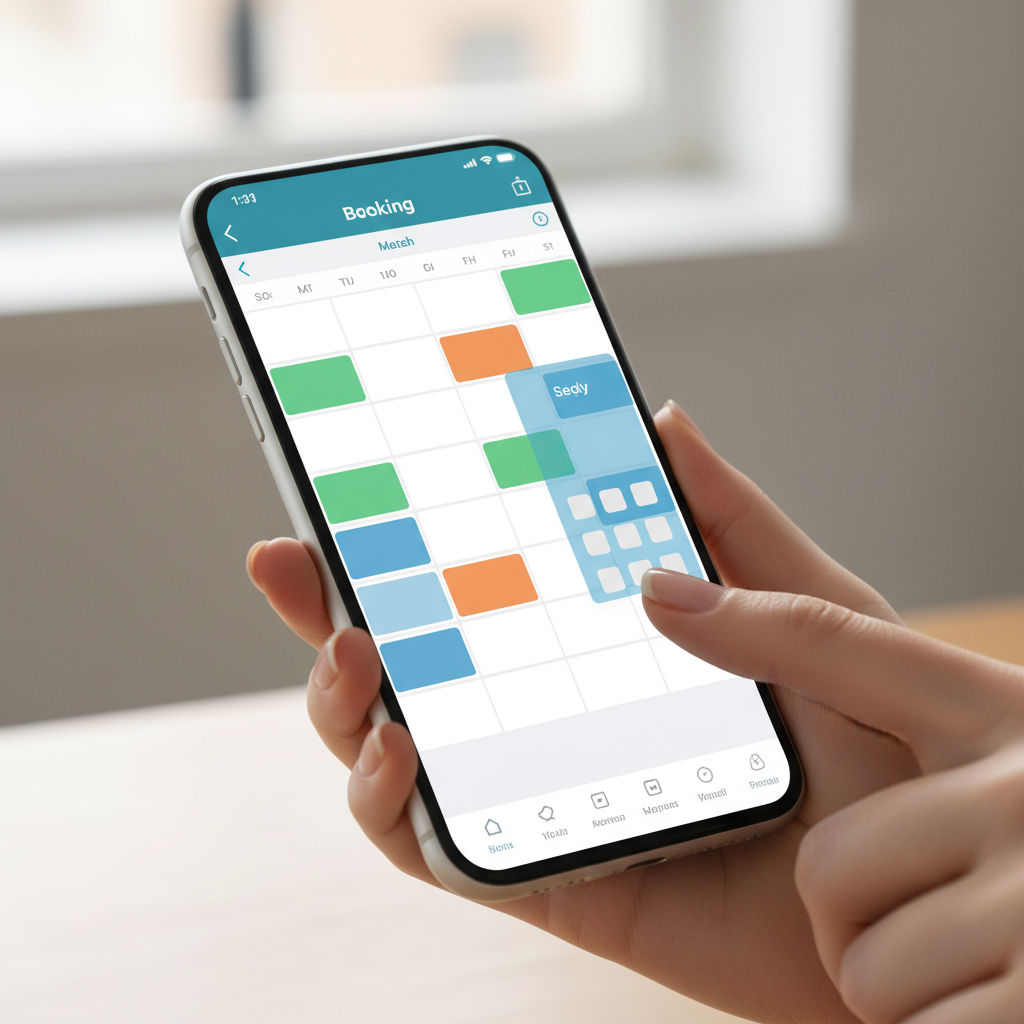
A social real estate platform centralizes chat, scheduling, disclosures, and contracts. Verified users message within the listing, choose viewing slots, exchange documents, and progress offers—all in one place. Continuity reduces errors and missed details.
Houseup is designed for this end-to-end flow across Canada. Sellers create a listing, enable direct messaging to verified buyers, batch showings, and use guided steps for offers and closing. Buyers see real-time availability, confirm times in a tap, and review shared documents—without juggling multiple apps or inboxes.
Process at a glance
- Create: Publish a complete listing with 15–25 photos and accurate details.
- Engage: Respond to first messages with quick, specific answers.
- Schedule: Propose grouped evening and weekend slots.
- Show: Confirm access, parking, and timing the day before.
- Negotiate: Summarize terms point-by-point in writing.
- Close: Use ready-to-use contracts and legal guidance to finalize.
Direct vs. agent-mediated vs. hybrid
| Model | Speed | Transparency | Control | Typical Use Case |
|---|---|---|---|---|
| Direct (Houseup) | High (same-day replies possible) | High (single shared thread) | High (seller sets cadence) | FSBO/DIY sellers who want ownership |
| Agent-mediated | Variable (adds handoffs) | Moderate (filtered details) | Moderate (third-party pacing) | Sellers preferring agent-led service |
| Hybrid (consultative) | Moderate–High | High (shared docs + advice) | High (seller-led with support) | Self-directed sellers who want guidance |
Whichever approach you choose, structured, written communication prevents drift. The advantage of Houseup’s direct model is a single system for messages, showings, and contracts—no scattered emails or missing attachments.
Types and Methods of Direct Communication
Use three layers of direct communication: structured chat for clarity, smart scheduling for speed, and guided negotiation for outcomes. Each layer reduces friction and keeps conversations actionable.
Structured chat
- Lead with facts: headline features, age, upgrades, inclusions/exclusions.
- Qualify the interest: ask, “What timeline are you targeting?”
- Invite next steps: “Would Saturday 10–12 or Sunday 1–3 work?”
Example seller opener: “Hi Jordan—thanks for the interest in our Aurora townhouse. It’s 1,450 sq ft with a finished basement and new roof (2024). Inclusions: appliances and window coverings. Are you aiming to tour this weekend? I can hold Saturday 10–12 or Sunday 1–3.”
Smart scheduling
- Batch slots: offer two to three grouped windows weekly.
- Confirm details: access, parking, lockbox (if applicable), and ETA.
- Prevent no-shows: send a reminder the day before with directions.
Buyers appreciate concrete options. When you present grouped time blocks, you reduce the back-and-forth that stalls momentum and you keep your weekend organized.
Guided negotiation
- Summarize in writing: price, deposit timing, conditions, inclusions.
- Limit variables: fewer moving parts make acceptance easier.
- Move to templates: capture the agreement using standard forms.
A short recap after each call or viewing is a small step with a big payoff. It keeps both sides aligned and makes drafting the offer nearly automatic.
Best Practices: Message, Schedule, Negotiate
Great outcomes follow a repeatable script: send a concise first message, propose two to three viewing windows, confirm expectations in writing, and summarize next steps after every milestone. Consistency prevents confusion and lost momentum.
Messaging playbook
- Open with specifics: property type, key upgrades, and inclusions.
- Bridge to action: offer two to three viewing windows.
- Invite questions: “Any must-haves I should confirm before you tour?”
- Close clearly: “Reply with your top two times and I’ll lock one in.”
Tip: Keep messages under 120 words. Short notes invite faster replies and reduce misreads on mobile.
Scheduling playbook
- Group viewings in 20–30 minute slots to keep the day efficient.
- Share access notes upfront (pets, alarm, parking, elevator booking).
- Send reminders 24 hours before with a quick confirmation prompt.
- Maintain a simple calendar view so both sides see availability at a glance.
Structured calendar flows are central to buyer–seller direct communication advantages. They reduce reschedules and tighten decision cycles.
Negotiation playbook
- Confirm key terms in writing right after the conversation.
- Limit open items; bundle minor asks for a single response.
- Use a standard template to capture signatures once terms align.
- Keep your tone calm, direct, and solution-focused.
Negotiations that move steadily are usually the ones that close. That comes from written clarity and keeping variables contained.
Tools and Resources That Make It Work
The right tools make direct communication safe, fast, and traceable: verified profiles, in-platform chat, calendar sync, document sharing, and ready-to-use contracts. With guardrails, both sides move confidently from interest to signed agreement.
- Verified user profiles: reduce low-intent messages and no-shows.
- In-platform chat: keep all Q&A tied to the listing.
- Calendar-based requests: confirm times with a tap and see updates.
- Document vault: store disclosures, floor plans, and feature sheets.
- Offer templates + legal guidance: move from terms to signatures.
- Mobile apps (iOS/Android): manage everything on the go.
- 24/7 assistance: human support when you need a second set of eyes.
Houseup combines AI-powered capabilities with expert human support—built for Canadian transactions and FSBO workflows. The result is less friction, more confidence, and cleaner handoffs through each milestone.
How to Apply the Advantages Step-by-Step
Turn the buyer–seller direct communication advantages into action by following a simple, five-stage checklist: prepare, publish, engage, progress, and formalize. Each stage has 2–4 tasks you can complete the same day.
1) Prepare your listing
- Gather documents: disclosures, upgrades list, utility info, floor plans.
- Write a clear headline and a 120–180 word description focused on outcomes.
- Upload 15–25 photos that answer common buyer questions.
2) Publish with messaging enabled
- Turn on verified messaging so buyers can contact you instantly.
- Set your initial viewing windows (two evenings and one weekend block).
- Prepare a 2–3 sentence auto-reply confirming you’ll respond the same day.
3) Engage with intent
- Reply within 12 hours on weekdays; acknowledge and set expectations.
- Answer with specifics; link back to docs or features in your thread.
- Offer two time options and ask for their top pick.
4) Progress the conversation
- After each viewing, send a short recap and next-step options.
- Address objections with facts and, when needed, a quick follow-up photo.
- When terms align, summarize in bullets and propose the template path.
5) Formalize and close
- Use ready-to-use contracts to capture signatures cleanly.
- Keep all final documents in the same thread for easy reference.
- Confirm timelines and handoff details in one closing message.
Mini Case Studies: From First Ping to Accepted Offer
Real examples show the pattern: clear first messages lead to better showings; batched slots reduce friction; written recaps keep negotiations on track. Each win comes from structured, direct conversation on one platform.
- Aurora townhouse: The seller batched Saturday showings into four 25-minute slots. Two buyers followed up with specific questions and both submitted offers by Sunday evening.
- GTA condo: The buyer opened with three precise questions (noise, view, reserve fund). The seller replied within two hours, booked the first slot, and progressed to terms the next day.
- Suburban detached: A written recap right after the viewing prevented confusion over included fixtures and timeline, keeping trust intact through signatures.
- New-build rental: Messaging clarified pet policy and parking before touring, saving both sides time and producing a same-week lease signing.

Houseup-Specific Benefits for Canadian Sellers and Buyers
Houseup is a Canada-wide social real estate marketplace that blends direct messaging, scheduling, negotiation tools, and legal guidance. You can list, connect, and close inside one experience—reaching verified buyers across Canada without realtor fees.
- Direct Buyer Connection: Message verified buyers and keep the thread tied to your listing.
- Property Viewings and Scheduling: Offer grouped time blocks buyers can confirm instantly.
- Real Estate Negotiation Support: Move from informal terms to documented agreements.
- Contract Templates and Legal Guidance: Close securely with ready-to-use forms.
- AI-Powered Listing Tools: Sharpen headlines, descriptions, and image order.
- 24/7 Customer Support: Human help when you need a second opinion.
- iOS and Android Apps: Manage showings and messages on the go.
If you value control, transparency, and momentum, direct communication inside Houseup delivers a cleaner path from first interest to signed agreement.
Resources and References
Explore general home-buying context and preparation checklists from established industry sources. Use these overviews to anticipate common buyer questions and smooth your listing workflow.
For a broad primer on the purchase journey and common steps, see this home purchase overview and the companion page on home purchase basics. If you’re preparing your home before showings, this Aurora renovation guide offers useful preparation ideas.
Key Takeaways
Direct communication shortens timelines and strengthens trust. Keep everything in one thread, answer fast, batch showings, and move to templates when terms align. Those habits close more deals with less friction.
- Use one platform for chat, scheduling, docs, and offers.
- Reply within a business day; keep messages under 120 words.
- Offer two to three viewing windows; send reminders 24 hours ahead.
- Summarize agreements in writing; transition quickly to templates.
- Lean on legal guidance and support when finalizing signatures.
Frequently Asked Questions
Direct communication works best when you keep messages concise, confirm details in writing, and use templates for offers and agreements. Below are clear answers to common questions.
How do I craft a productive first message?
Introduce yourself, reference the listing, share your timing or readiness, and ask one or two specific questions. Keep it short and actionable so the other side can reply quickly with clear next steps.
What if our schedules don’t align?
Offer two alternative windows and ask for their top two. If needed, suggest a quick virtual walk-through first to maintain momentum, then lock in the earliest on-site slot that works for both.
How do I keep negotiations on track?
Summarize agreements point-by-point after each exchange—price, conditions, timelines, inclusions. Then move to a standard template to capture signatures. Written clarity prevents misunderstandings and protects momentum.
Where should I keep disclosures and feature sheets?
Keep all documents in the same platform thread as your messages and showings. When files, times, and terms live together, both sides see context and progress without hunting through emails.
Conclusion
Direct buyer–seller communication turns interest into action. With structured chat, smart scheduling, and guided templates, you shorten timelines, reduce risk, and improve outcomes—especially when everything lives in one secure thread.
Ready to put buyer–seller direct communication advantages to work? Start your listing with Houseup, connect with verified buyers across Canada, and manage the journey—listing to close—on your terms.