
Property Valuation Tips: Sellers Can Price Right, Sell Faster
Use property valuation tips sellers trust to price right, attract verified buyers, and sell faster in Aurora and across Canada with Houseup’s social marketplace.
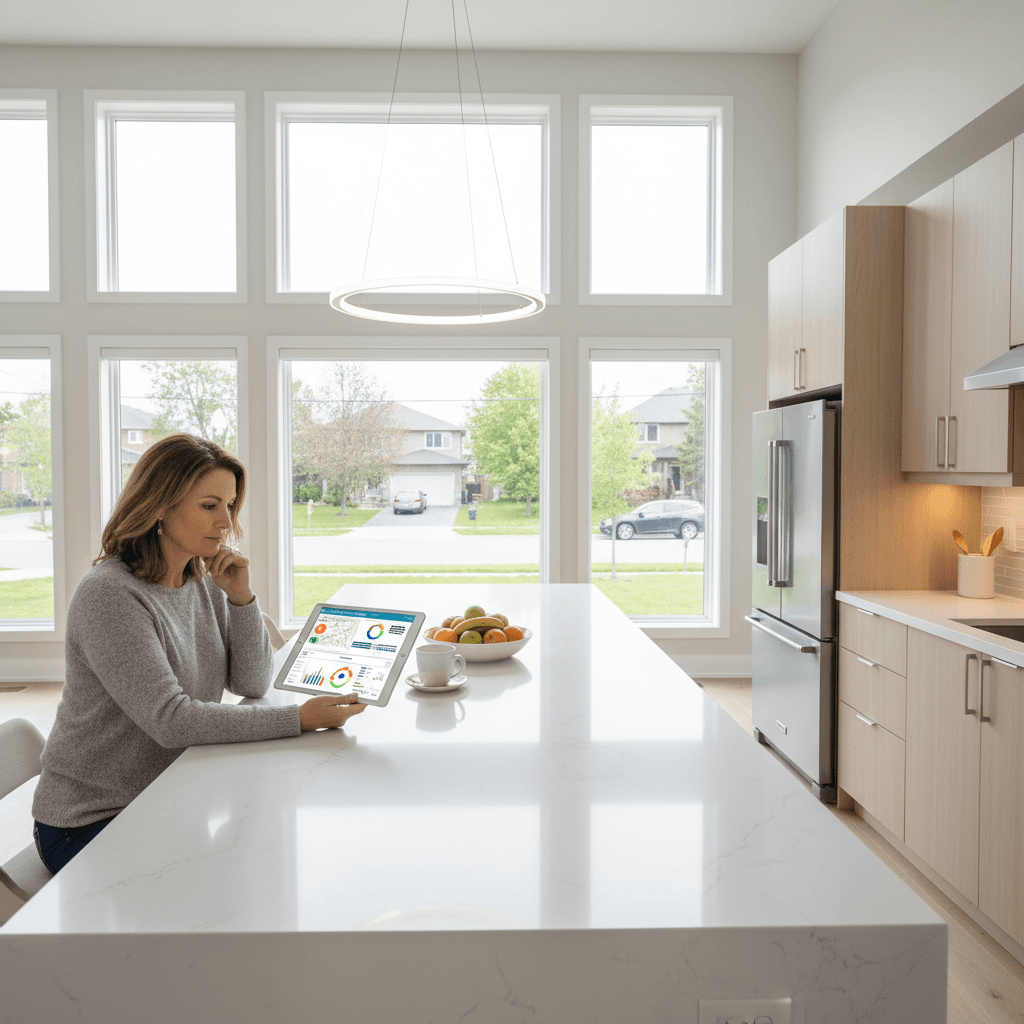
Property valuation tips sellers can rely on start with data, not hunches. Define your local market, study 3–5 comparable sales, adjust for features, and set a strategic price band. On Houseup, you can test demand fast, message verified buyers, and refine your price using real engagement signals to sell faster.
By Vinay Sandhu · Last updated: 2026-04-19
Quick Summary
Price your home by combining comparable sales, on-market trends, and objective adjustments for size, condition, and amenities. Use Houseup’s AI-powered listing tools to test demand quickly, message verified buyers, schedule viewings, and refine your price based on real-time engagement.
- What you’ll learn:
- How to prepare accurate data and avoid common valuation traps
- Ways to compare CMA, appraisal, and AVM—plus when to use each
- A step-by-step pricing workflow using Houseup’s listing tools
- Troubleshooting moves when interest stalls or an appraisal misses
- Why it matters:
- Accurate pricing attracts more qualified buyers in the first 7–14 days
- Data-driven sellers negotiate with confidence and close smoother
- Houseup helps you sell without realtor fees while staying supported
- Essentials included:
- Prerequisites checklist before you set a price
- Comparison table (CMA vs Appraisal vs AVM)
- 12 real-world mini case studies
- FAQ and a ready-to-use action plan
Quick Answer
For Aurora sellers, the fastest path to an accurate list price is a clean set of comps, objective adjustments, and immediate buyer feedback. Houseup lets you list, connect with verified buyers, schedule viewings, and negotiate directly—so your property valuation tips sellers need turn into real offers, fast.
Local Tips
- Tip 1: If your Aurora home is near Bayview Avenue, add time-of-day notes about commute noise and access. Buyers ask about drive times—mention proximity to Highway 404 and GO stations in your listing details.
- Tip 2: Spring listings in York Region often see stronger showing traffic. If you’re launching in winter, emphasize updated mechanicals and energy efficiency—these details matter when temperatures drop.
- Tip 3: In our experience with Greater Toronto Area sellers, weekday twilight showings boost turnout. Stage warm lighting and highlight parks and trails like Sheppard’s Bush for lifestyle value.
IMPORTANT: Tailor these notes inside your Houseup listing to preempt buyer questions and strengthen perceived value.
What Is Property Valuation?
Property valuation is the process of estimating a home’s market value using comparable sales, current listings, and feature-based adjustments. Sellers use valuation to set a competitive list price that attracts qualified buyers, shortens time on market, and supports a smooth negotiation and closing.
- Plain definition: A data-grounded estimate of what buyers in your area will pay today.
- Core inputs:
- Recent comparable sales (ideally past 60–120 days)
- Active and pending listings competing for the same buyers
- Feature deltas: square footage, lot size, beds/baths, renovations, parking
- Micro-location: school catchment, transit, street appeal, green space
- Output you need:
- A tight price band with a preferred anchor, walk-away floor, and stretch top
- A one-paragraph rationale you can defend to any serious buyer
- Where Houseup fits:
- Create your listing in minutes and distribute across leading Canadian networks
- Message verified buyers, schedule showings, and negotiate directly
- Use ready-to-use contracts and legal guidance for a secure close
Here’s the thing: the best list price is both defensible and dynamic. You set it with data, then confirm it with real-world demand through Houseup engagement.
Why Accurate Valuation Matters
Accurate pricing maximizes early momentum, filters for serious buyers, and reduces renegotiation risk. In our experience, the first two weeks set the tone: match the market, earn multiple quality showings, and your leverage improves at every step—from offers to appraisal to closing.
- Early window advantage:
- Fresh listings capture the largest pool of active buyers scanning daily
- Competitive pricing triggers more showings and faster feedback loops
- Negotiation power:
- A data-backed price dampens lowball attempts
- Clear comps make counteroffers easier to justify
- Downstream success:
- Appraisal alignment reduces closing turbulence
- Buyer confidence rises when your valuation story is tight
- Houseup’s edge:
- Direct communication with verified buyers accelerates learning cycles
- On-platform scheduling and negotiation keep momentum organized
Match value to buyer expectations, and your listing does the heavy lifting. Miss it, and time-on-market tells a different story.
Prerequisites: Get Your Data and Home Ready
Before picking a price, organize clean property data, document upgrades, and collect 3–5 relevant comps. Then prepare the home: fix obvious defects, stage for photos, and capture accurate room measurements. Solid inputs create a reliable valuation and a smoother sale.
- Gather hard facts:
- Lot size, square footage (verify), year built, bed/bath count, parking
- Mechanical updates: roof, HVAC, windows, insulation, electrical
- Permits and receipts for renovations and additions
- Measure twice:
- Confirm room dimensions and ceiling heights
- Note basement finish quality and egress windows
- Condition snapshot:
- List obvious repairs (paint, caulk, door hardware, light fixtures)
- Flag issues that could appear in buyer inspections
- Photo-first staging plan:
- Declutter rooms and surfaces; define clear furniture zones
- Light bulbs matched in color temperature; brighten task areas
- Curb appeal: trim hedges, refresh mulch, tidy walkways
- Houseup setup:
- Create your listing and draft a feature-forward description
- Enable viewing requests and turn on verified-buyer messaging
- Prepare your contract templates and legal guidance access

How Property Valuation Works
Valuation blends comparable sales with market trends and objective adjustments. You bracket your home between similar properties, then fine-tune for size, condition, and features. The goal is a tight price band you can test on Houseup and refine using real buyer engagement.
- Comparable sales (sold):
- Pick 3–5 homes sold recently within 0.5–1.5 miles, same style and size class
- Adjust for beds/baths, finished basements, garages, lot size, renovations
- Active and pending comps:
- Identify your real competitors today—these shape buyer expectations
- Pending prices aren’t public, but days-on-market and condition still inform
- Feature adjustments:
- Quantify premium items: new kitchen, primary ensuite, walk-out basements
- Discount for deferred maintenance and outdated finishes
- Market velocity checks:
- Track showing volume and listing absorption patterns by neighborhood
- Watch seasonality: spring often brings faster buyer decisions in Aurora
- Engagement testing on Houseup:
- Monitor saves, shares, viewing requests, and message quality
- Refine your price or description based on verified-buyer feedback
Think in price bands, not single numbers. Bands keep you nimble when new comps close or buyer activity shifts.
Methods Compared: CMA vs Appraisal vs AVM
Use a CMA for listing strategy, an appraisal to satisfy financing rules, and an AVM for quick ballparks. The best approach stacks these: start with a CMA, sanity-check with an AVM, and plan for appraisal alignment once you’re under contract.
| Method | What it is | Best for | Limitations |
|---|---|---|---|
| CMA (Comparative Market Analysis) | Human-led review of recent sales and on-market comps with adjustments | Setting your initial list price and negotiation plan | Quality varies by data selection and adjustment discipline |
| Appraisal | Licensed appraiser opinion typically required by lenders | Financing validation once under contract | Timing and comp choice can miss fast-emerging trends |
| AVM (Automated Valuation Model) | Algorithmic estimate based on large datasets | Quick ballpark and sanity checks | May over/underweight features a human would catch |
- Stacking strategy:
- Start with a disciplined CMA and cross-check with an AVM
- Anticipate the appraisal by documenting upgrades and key comps
- Houseup tie-in:
- Use Houseup’s AI-powered listing flow to package your valuation story
- Attach upgrade notes and comp references to reinforce buyer confidence
Step-by-Step: Price Your Home Using Houseup
Build your price in five moves: collect data, model comps, set a price band, launch and measure engagement, then refine with offers. Houseup centralizes listing creation, verified-buyer messaging, scheduling, negotiation, and closing resources.
- Collect and confirm facts:
- Upload photos, measurements, and a feature list into your Houseup draft
- Note comparable sales with links or MLS identifiers for reference
- Build a disciplined comp set:
- 3–5 sold comps inside your micro-area in the past 60–120 days
- 2–3 active listings that buyers will also tour
- Create your price band:
- Anchor (launch), floor (walk-away), and stretch (test for premium)
- Draft a one-paragraph rationale to support the anchor
- Launch on Houseup:
- Distribute across leading Canadian networks from one listing
- Turn on verified-buyer chat and viewing requests
- Read the signals:
- Track saves, shares, and showing conversions (views → tours)
- Screen messages: serious buyers reference comps and timelines
- Refine and negotiate:
- Adjust in small, purposeful increments if engagement lags
- Use ready-to-use contracts and legal guidance when offers arrive
In our experience, disciplined inputs plus rapid feedback beat “set it and forget it.” Houseup shortens the loop between market signal and action.
Free Selling Support on Houseup
- Create your listing in minutes and reach buyers across Canada
- Chat with verified buyers, schedule viewings, and negotiate directly
- Use contract templates and legal guidance for a secure close
- Get 24/7 support—AI-powered tools plus human help when you need it
Best Practices Sellers Swear By
The best pricing wins with discipline: narrow comps, honest adjustments, a staged launch, and fast iteration. Keep your description value-forward and your photos consistent in lighting and angles to reinforce price integrity.
- Narrow your radius and style match:
- Similar layout and finish level beats a bigger but mismatched comp
- Corner-lot premiums and walk-out basements deserve separate notes
- Price band discipline:
- Avoid large swings; they signal distress to buyers watching alerts
- Time any adjustments after a defined feedback window
- Story-first photos and copy:
- Lead with lifestyle benefits buyers ask about in your area
- Keep photo order logical: curb appeal → living → kitchen → beds/baths → yard
- Engagement hygiene:
- Respond quickly to verified-buyer questions to maintain momentum
- Offer flexible viewing slots, including evenings and weekends
- Buyer readiness checks:
- Ask about financing status and timelines early in chat
- Share your upgrade log and utility notes to build confidence
Tools and Resources (Houseup + Trusted Sources)
Combine Houseup’s AI-powered listing tools with local market data and simple calculators. Keep a living comp file, an upgrade ledger, and a measurement sheet. These lightweight systems make your pricing more accurate and your negotiations faster.
- On Houseup:
- AI-powered listing creation with feature prompts
- Verified-buyer messaging, scheduling, and negotiation flow
- Contract templates and legal guidance to streamline closing
- Your DIY toolkit:
- Measuring tools and a simple floor plan sketch
- Upgrade log with dates, brands, and warranties
- A shared folder with comps, photos, and notes
- Lightweight calculators:
- Use reputable home affordability calculators to understand buyer capacity trends
- Track neighborhood absorption to anticipate demand
- Market intelligence:
- Note seasonality in your city; Aurora spring markets often move quickly
- Record open house traffic patterns and feedback themes
Pricing Factors and Value Signals
Your price should reflect condition, location, and competition. Buyers react to clarity: well-lit photos, precise measurements, and documented upgrades. When your listing answers questions up front, perceived risk drops and willingness to pay rises.
- Condition and finish level:
- Renovated kitchens/baths, updated systems, and clean maintenance history
- Neutral paint and move-in readiness often widen your buyer pool
- Micro-location levers:
- School zones, trail access, transit options, and street appeal
- South-facing light and usable yard space boost livability
- Competition snapshot:
- How your home stacks against 2–3 active listings buyers will also tour
- What pendings suggest about urgency and negotiation room
- Signal hygiene:
- Consistent photo quality and clear room labeling reinforce credibility
- Prompt answers in Houseup chat improve buyer confidence
Troubleshooting: When the Market Pushes Back
If interest stalls, diagnose quickly: comp mismatch, photo gaps, or condition surprises. Tighten your comp set, improve visuals, fix fast repairs, and consider a measured price update. Keep momentum with flexible showings and proactive buyer outreach in Houseup.
- Low engagement after launch:
- Re-check comps for finish-level mismatch or an outlier skewing the band
- Add natural-light photos and a concise, benefit-first opening paragraph
- Lots of views, few showings:
- Clarify key features in the first 150 words of your listing
- Offer twilight and weekend slots; enable instant confirmations
- Repeated lowball offers:
- Publish your upgrade log and comparable highlights inside the listing
- Counter with comps and timelines; keep tone factual and friendly
- Appraisal gap risk:
- Package your appraiser-friendly comp set and upgrade receipts early
- Document features that algorithms miss (lot utility, view, walk-out)
- Seasonality headwinds:
- Lean into energy efficiency, storage, and maintenance readiness in winter
- Market patio/yard livability and local trails heavily in spring/summer
Case Studies and Real-World Examples
Ground truth beats theory. These quick scenarios show how disciplined pricing, better photos, and Houseup’s direct buyer connections turned slow starts into steady offers—across Aurora and other Canadian markets.
- Aurora townhouse near Bayview: Initial price anchored to a renovated corner unit; engagement lagged. Re-centered comps on mid-block units, added daytime photos, and scheduled evening showings—qualified tours picked up.
- North York condo with dated kitchen: Priced against fully renovated comps failed. Adjusted for finish level and highlighted storage and south light—secured stronger buyer pool.
- GTA detached with new HVAC and roof: Upgrades buried in copy. Moving them to the opening paragraph and photo captions lifted buyer confidence.
- Mississauga semi with tight parking: Competition had garages. Added clear street-parking info and transit times—reduced objections on tours.
- Hamilton bungalow with walk-out: AVM undervalued the walk-out. Human CMA restored premium; Houseup engagement confirmed demand.
- Waterloo townhome near tech hub: Weekday twilight slots boosted showings from commuter buyers with late hours.
- Barrie detached near trails: Lead photos switched to exterior and yard; lifestyle messaging improved tour conversions.
- Ottawa condo during winter: Focused on heat efficiency and indoor amenities; momentum held despite weather.
- Calgary suburban two-story: Outlier luxury comp distorted the band. Removing it clarified pricing and cut time-on-market.
- Halifax character home: Unique features needed narrative captions. Buyers engaged more once quirks were assets, not mysteries.
- Vancouver townhome with EV charger: Feature called out early; tech-oriented buyers leaned in on Houseup messages.
- Winnipeg split-level: Floor plan sketch added to listing; buyers visualized flow and booked faster.
We’ve found that when sellers present a coherent value story—photos, measurements, upgrades, and comps—buyer friction drops and negotiations simplify.

FAQ
Sellers ask about using comps, handling appraisal gaps, and whether AVMs are enough. Use comps for strategy, expect an appraisal once under contract, and treat AVMs as a quick check—not a final answer.
- How do I pick the right comps?
- Match style, size, and finish level within your immediate area, then adjust for features like finished basements or garages. Three to five recent sales plus a couple of active competitors usually provide a reliable picture.
- Are AVM estimates accurate enough to set my list price?
- Treat AVMs as a starting point, not the finish line. They can miss micro-location and finish-level nuances. Cross-check with a disciplined CMA and current on-market competitors.
- What if the appraisal comes in lower than my contract price?
- Share your comp package and documented upgrades with the buyer’s side. Discuss options calmly—timeline flexibility, scope of repairs, or other terms—guided by your Houseup contracts and legal resources.
- Should I adjust my price if I get lots of views but few showings?
- First, fix clarity: lead photos, opening paragraph, and key features. Offer more showing slots. If qualified interest still lags after a defined window, make a measured adjustment within your price band.
- Do I need a pre-listing inspection?
- It’s optional but helpful for older homes or complex systems. Knowing issues in advance lets you price and negotiate with confidence—and avoid late-stage surprises.
Conclusion
Disciplined inputs, fast feedback, and clear communication win the pricing game. Use tight comps, honest adjustments, and Houseup’s direct buyer connections to confirm value quickly and sell with confidence.
- Key takeaways:
- Set a tight price band using 3–5 local comps and objective adjustments
- Launch with standout photos and a value-forward opening paragraph
- Use Houseup engagement signals to confirm or refine your price
- Keep negotiation organized with built-in contracts and legal guidance
- Next steps:
- Gather measurements, upgrades, and your first comp set
- Create your Houseup listing and turn on verified-buyer chat
- Schedule flexible viewings and track early engagement closely
Ready to move? List on Houseup today to reach buyers across Canada, message verified prospects, and close smoothly—without paying realtor fees.